

The Product & The Domain
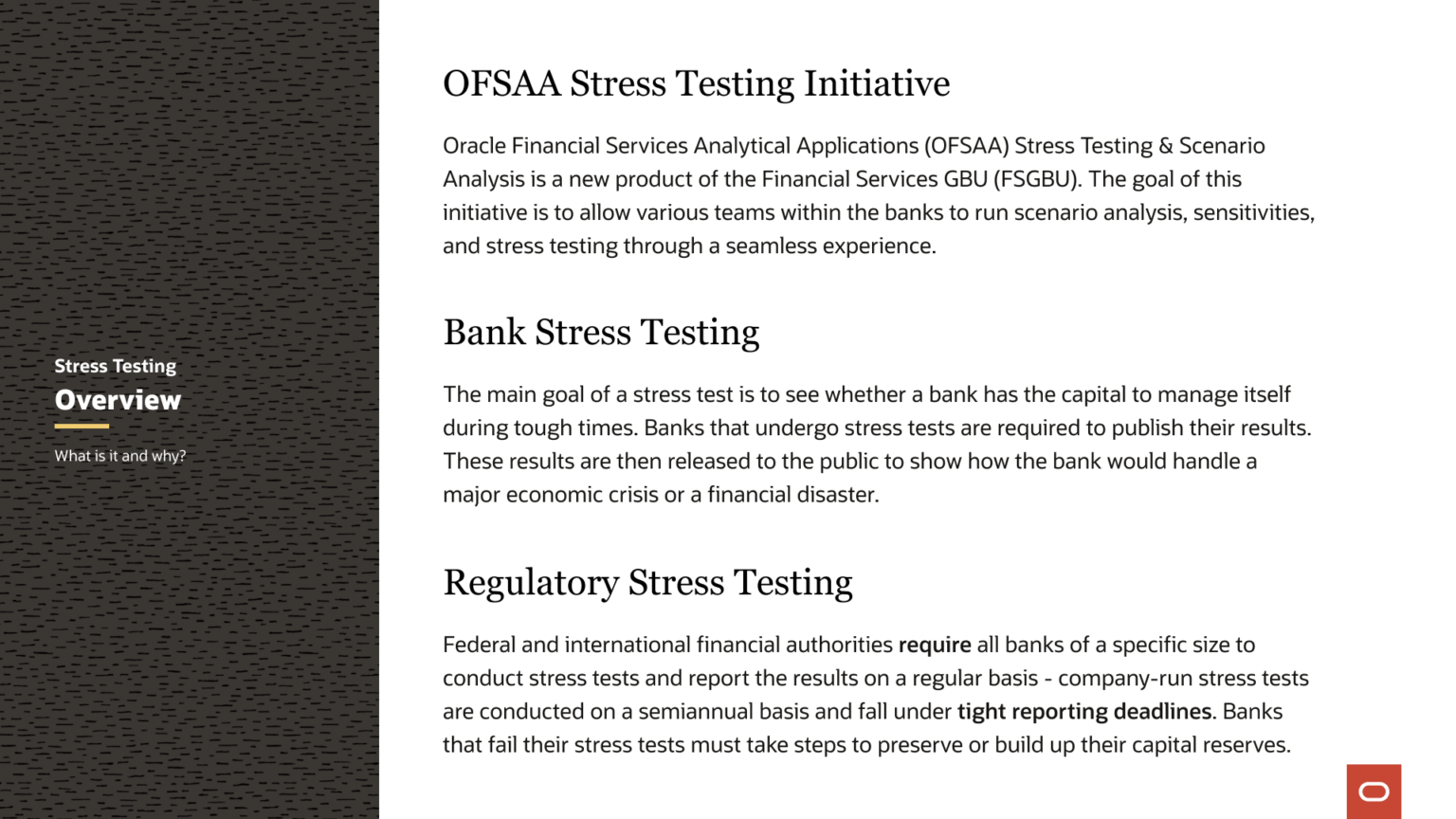
Stress testing is how banks prove they can survive.
Under regulations like Dodd-Frank, Basel III, and DFAST, financial institutions model how portfolios, capital reserves, and controls would hold up under simulated economic shocks. The outputs go to regulators, determine capital allocation, and shape whether a bank is considered sound.
1 cycle can involve hundreds of data sources, dozens of models, and teams across risk, economics, and compliance. Before this product existed, most coordination happened over email and spreadsheets. A complete setup took an average of 33 days.
Oracle Financial Services Stress Testing & Scenario Analysis was built to centralize that work. When I joined, the product was a concept, a set of requirements, and a global team waiting for someone to make sense of it. I was brought in to build the UX foundation.
Entering the Ambiguity
I had no background in financial risk analytics. That was normal for Oracle UX consulting: we were deployed where the need was greatest, often into domains we had never touched. What I did not expect was how quickly the domain complexity would be dwarfed by the scope complexity.
The team spanned Bangalore, London, New York, Cape Town, and Melbourne: 15 product and development partners, 15 subject-matter experts, and 12 external customers. Yugesh, the product manager in Bangalore, was my closest partner. What the project lacked was a clear picture of the UX scope: how much needed to be designed, in what order, and what could realistically ship first.
I brought in Marcus, our research director in Melbourne. As we mapped user goals, workflows, dependencies, and regulatory requirements, it became clear that this was not 1 design project. It was 6.
The first design decision was the scope itself
Before drawing screens, make the product buildable.
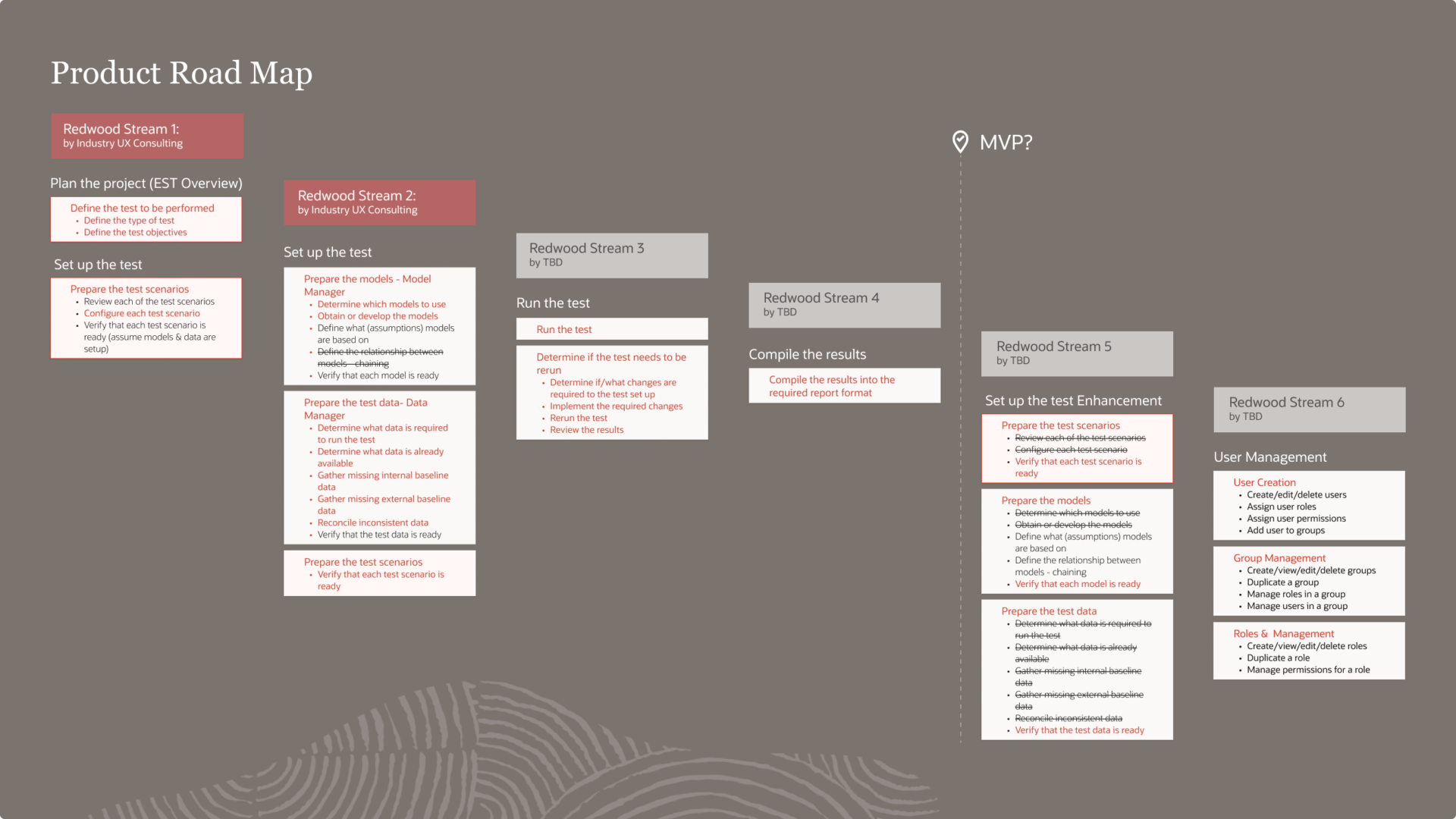
We divided the system into 6 sequential streams. Our consulting team owned the first 2; the product team hired dedicated UX designers to carry the remaining 4 forward.
Understanding the Users
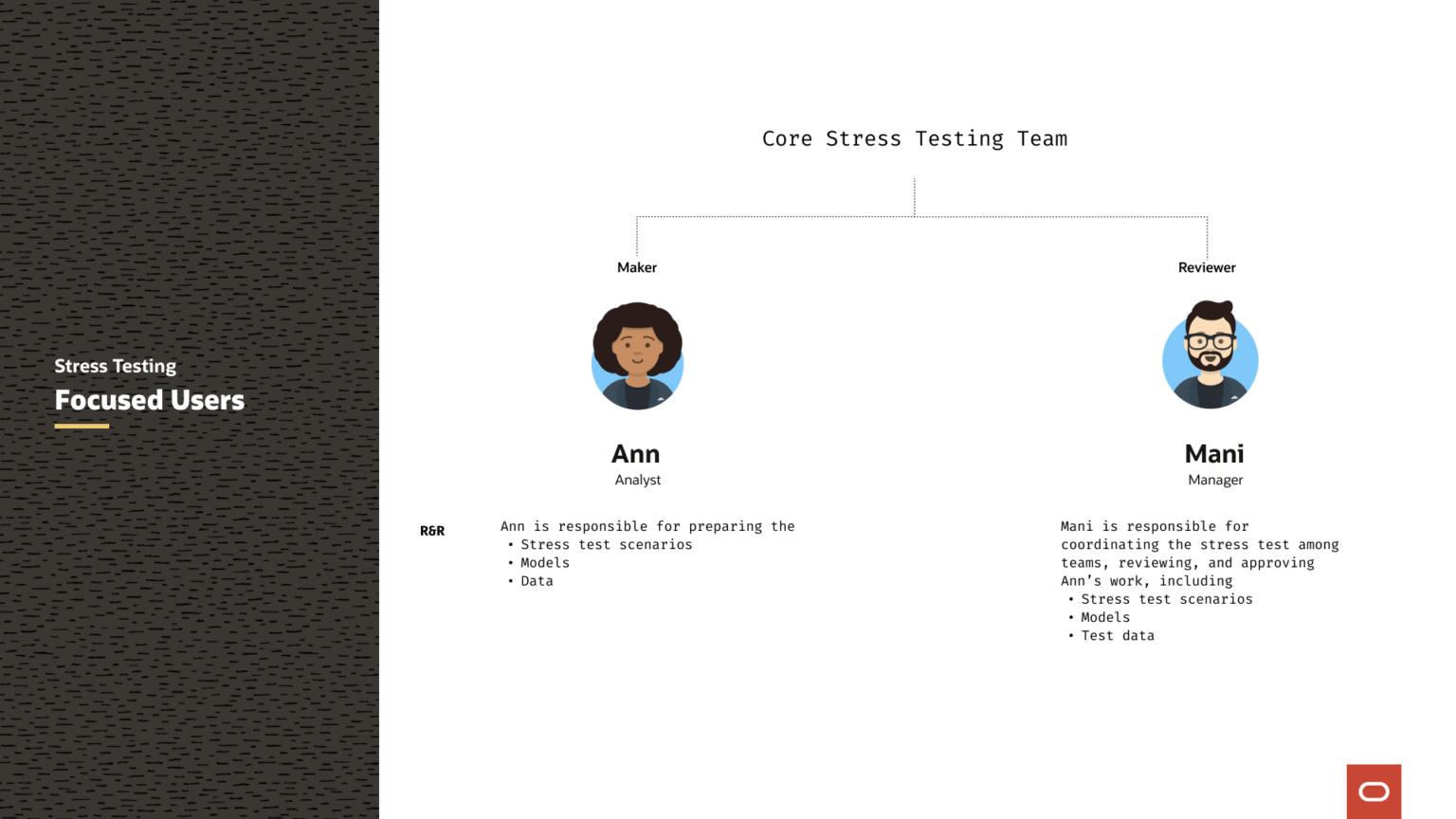
Stress testing spans an institution from the boardroom to the analyst’s desk. Boards and regulators shape the requirements, but Ann and Mani do the daily work.
Ann · Analyst
Build the test
Prepares scenarios, models, variables, data, and an accurate report that explains whether the bank can survive extreme events.
Mani · Manager
Verify the work
Defines scope, assigns responsibilities, validates every layer of Ann’s work, and secures approval before submission.
Discovery
I started with desk research, not to become a stress-testing expert, but to understand enough about CCAR, DFAST, and Basel III to ask useful questions.
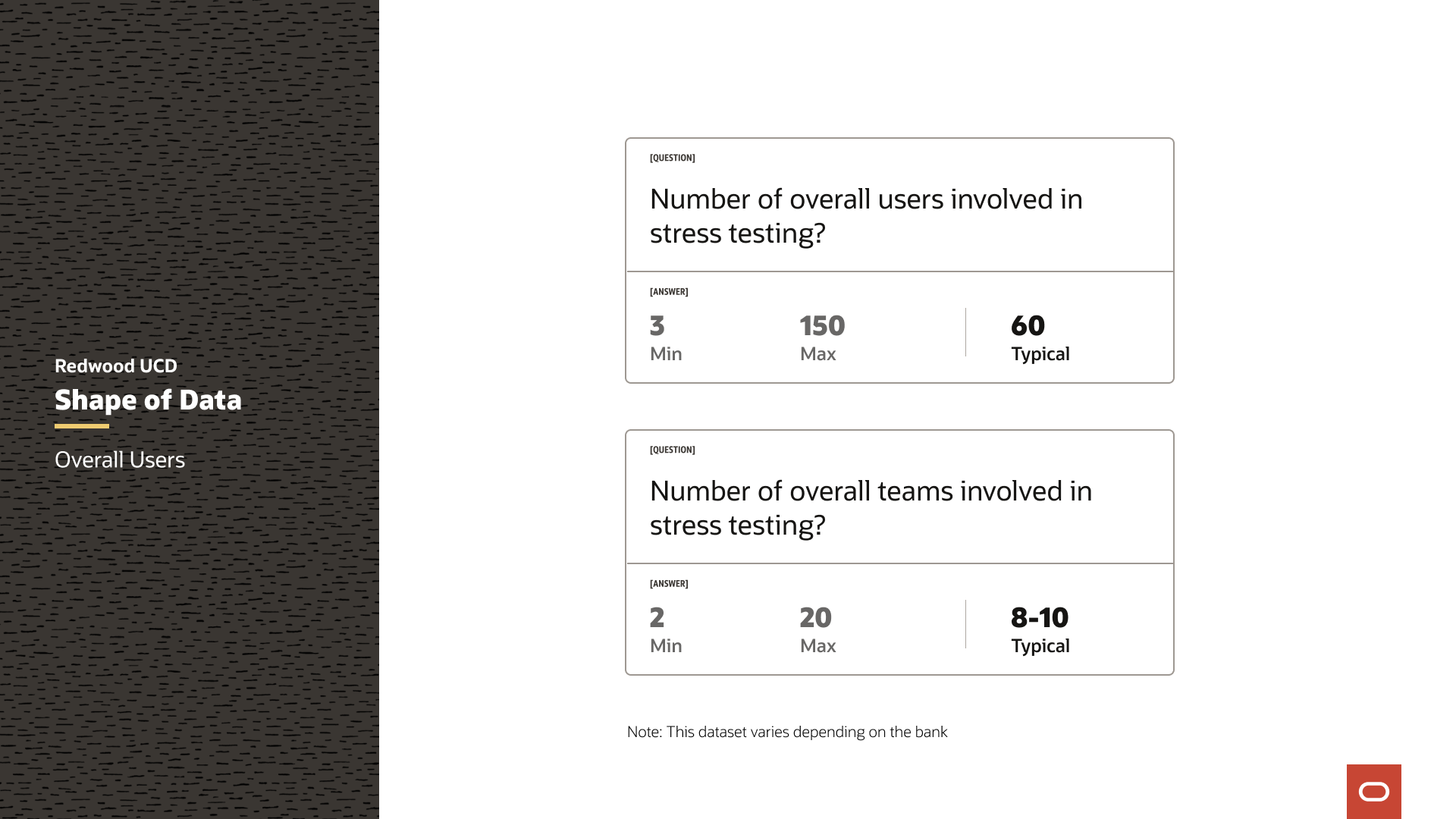
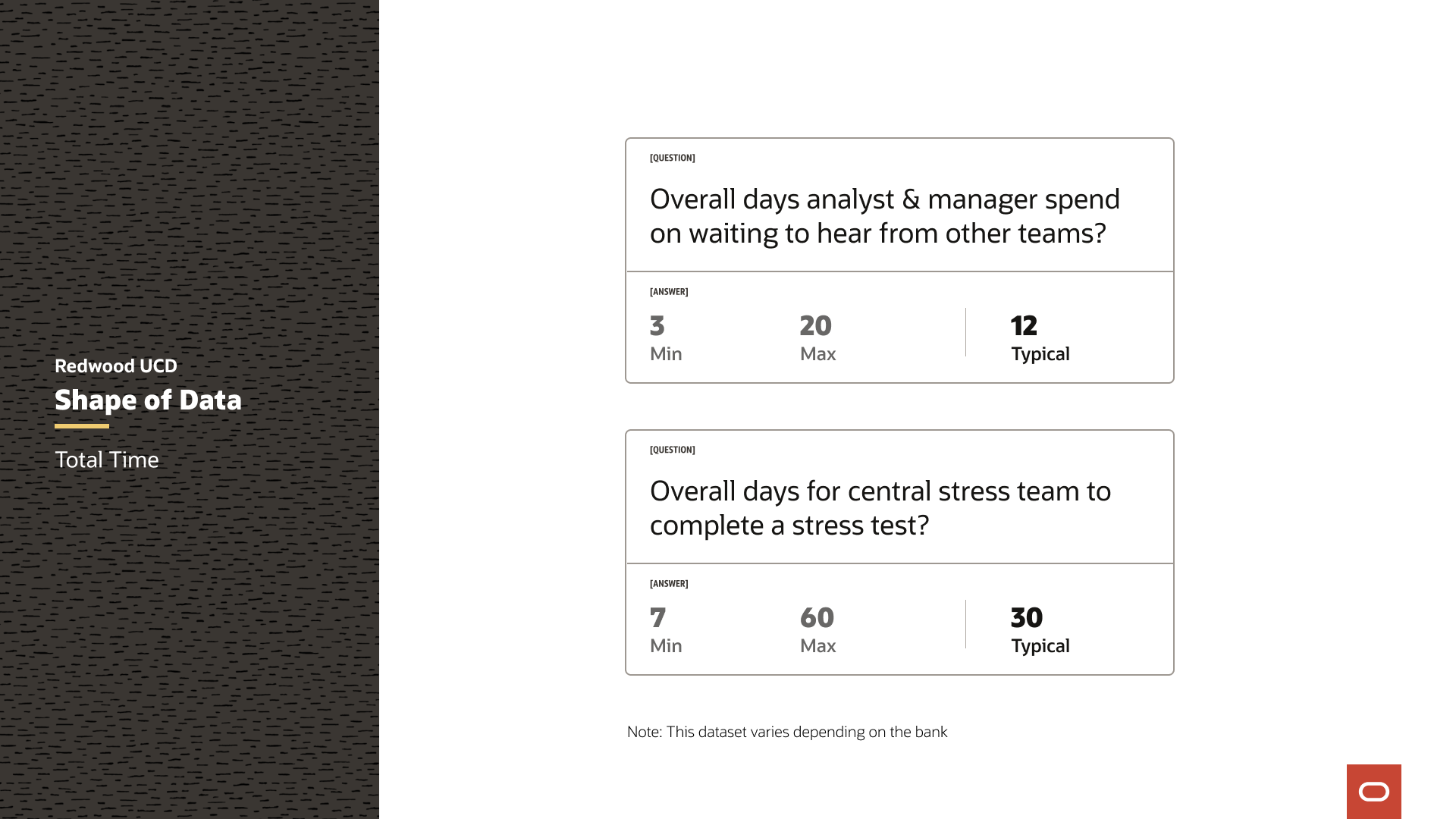
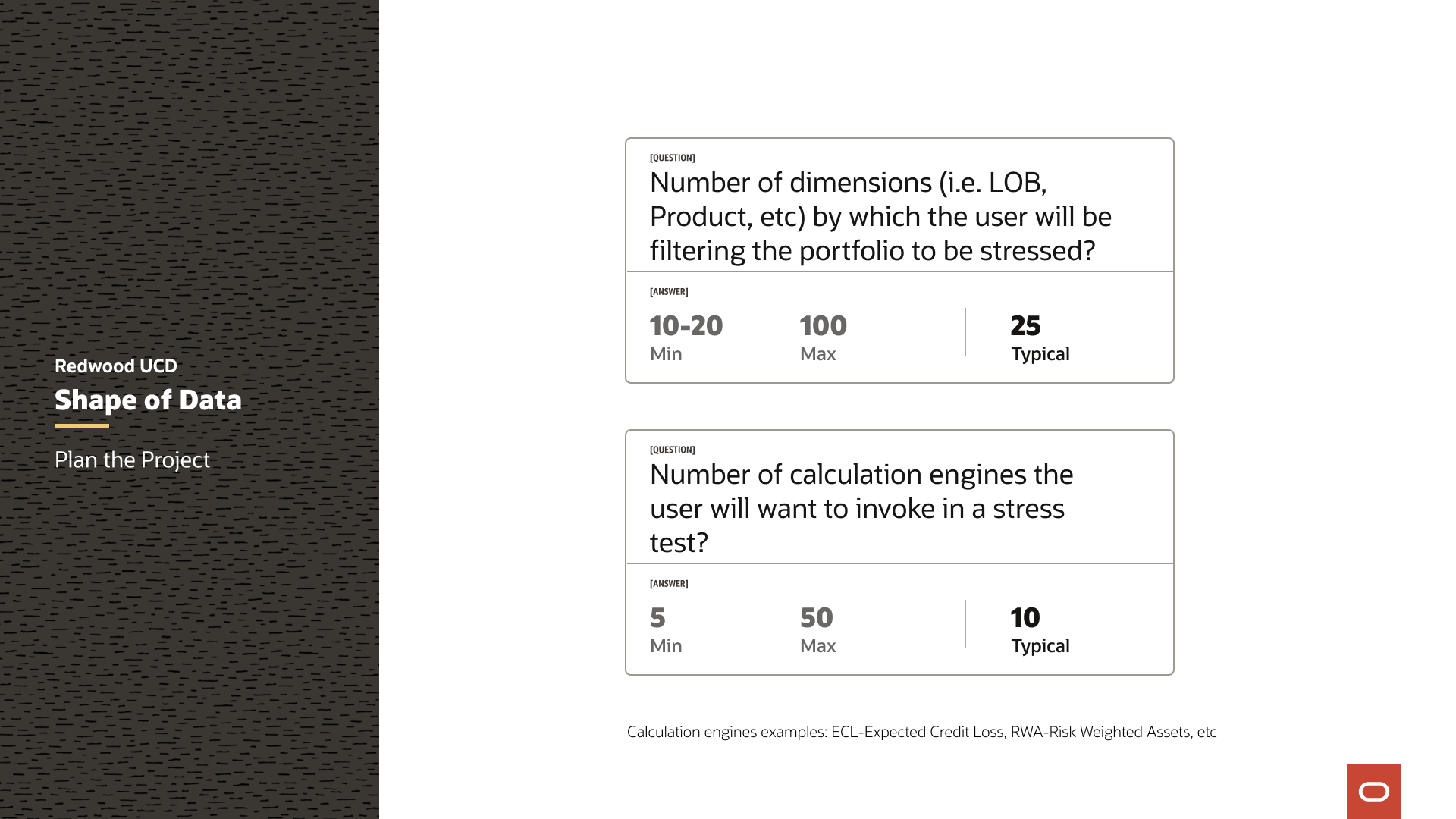
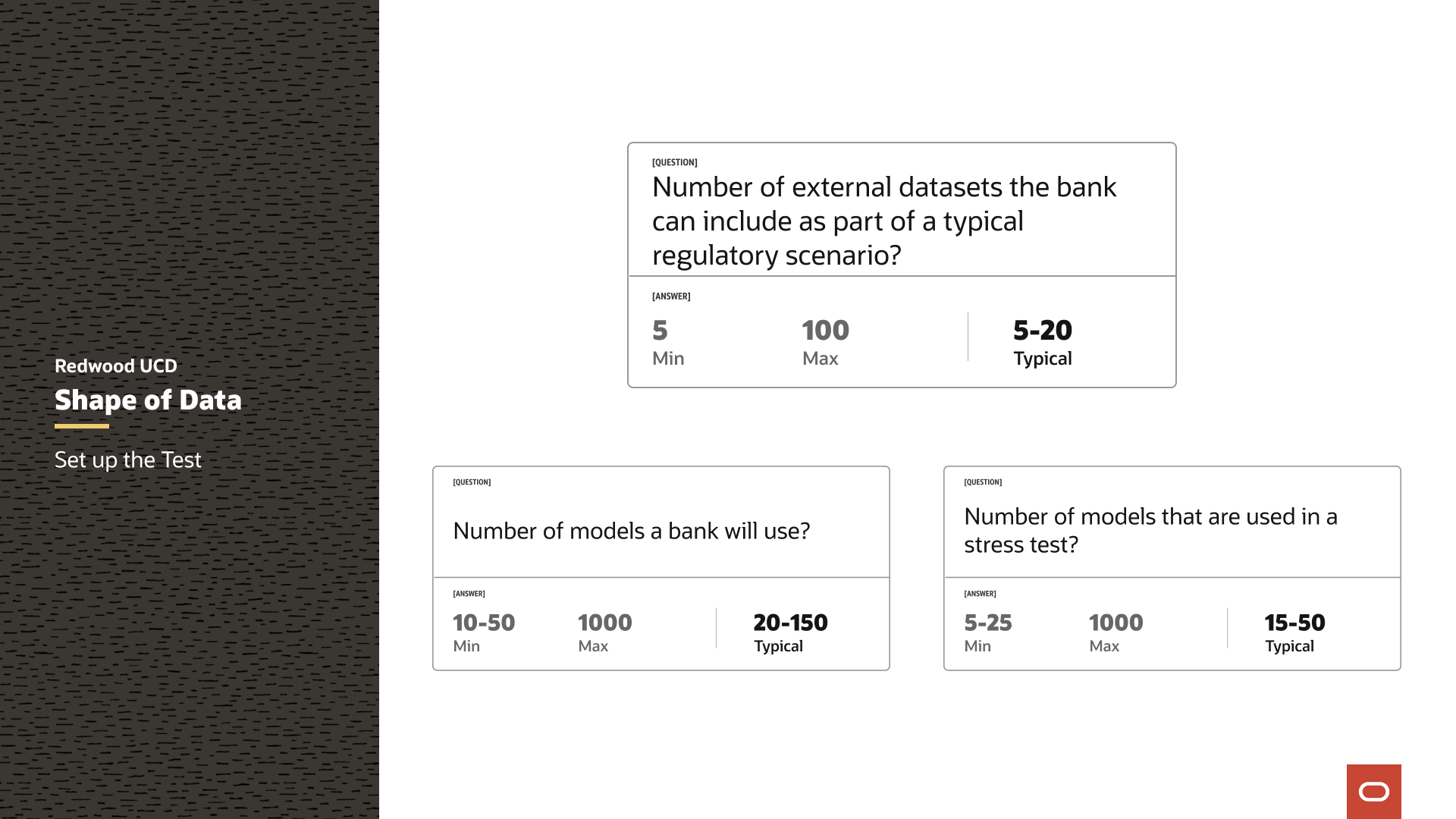
I interviewed 15 users, risk analysts, managers, and subject-matter experts across 5 cities. Every session started with background, goals, and workflow before moving into Shape of Data questions: how many users, teams, datasets, models, and decisions live inside a single cycle.
The findings reframed a software problem as a coordination problem at massive scale and made the case, with evidence, for phased design.
Phase Planning
The ambiguity was the design problem
6 streams. 1 dependency chain. A sequence the organization could actually deliver.
Stream 1, project planning and analysis configuration, had to come first because everything downstream depended on it. Variables before scenarios. Scenarios before orchestration. The order was itself a design decision.
The roadmap made the handoff legible to designers, product managers, engineers, and leadership across 3 continents.
Establishing the Foundation
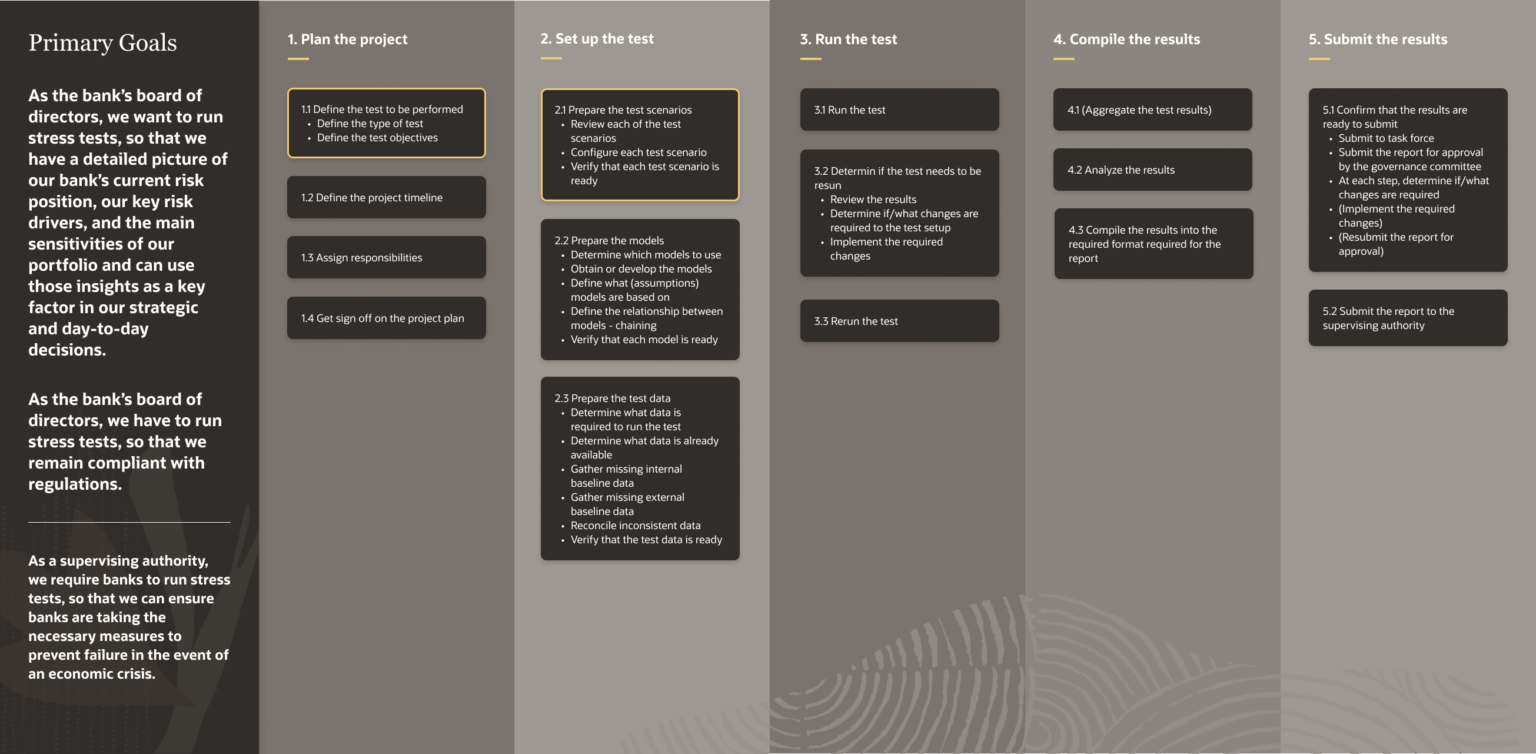
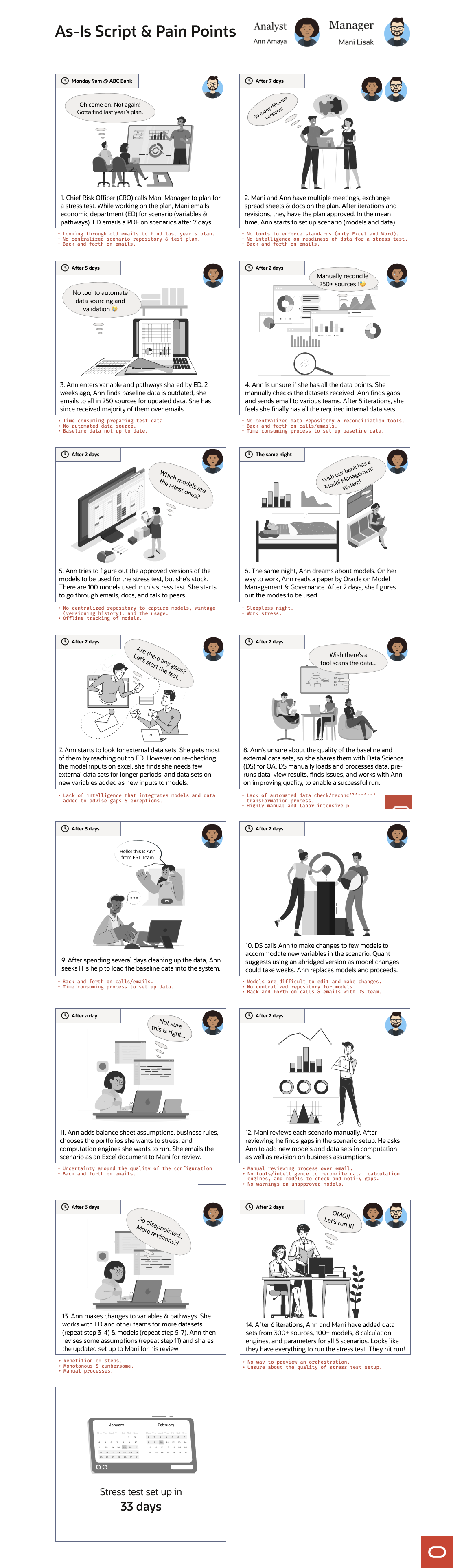
The As-Is Script turned a dry list of pain points into a day-in-the-life story: Ann hunting through old email, Mani waiting for scenario PDFs, 250+ sources reconciled manually, models tracked offline, and repeated revision cycles.
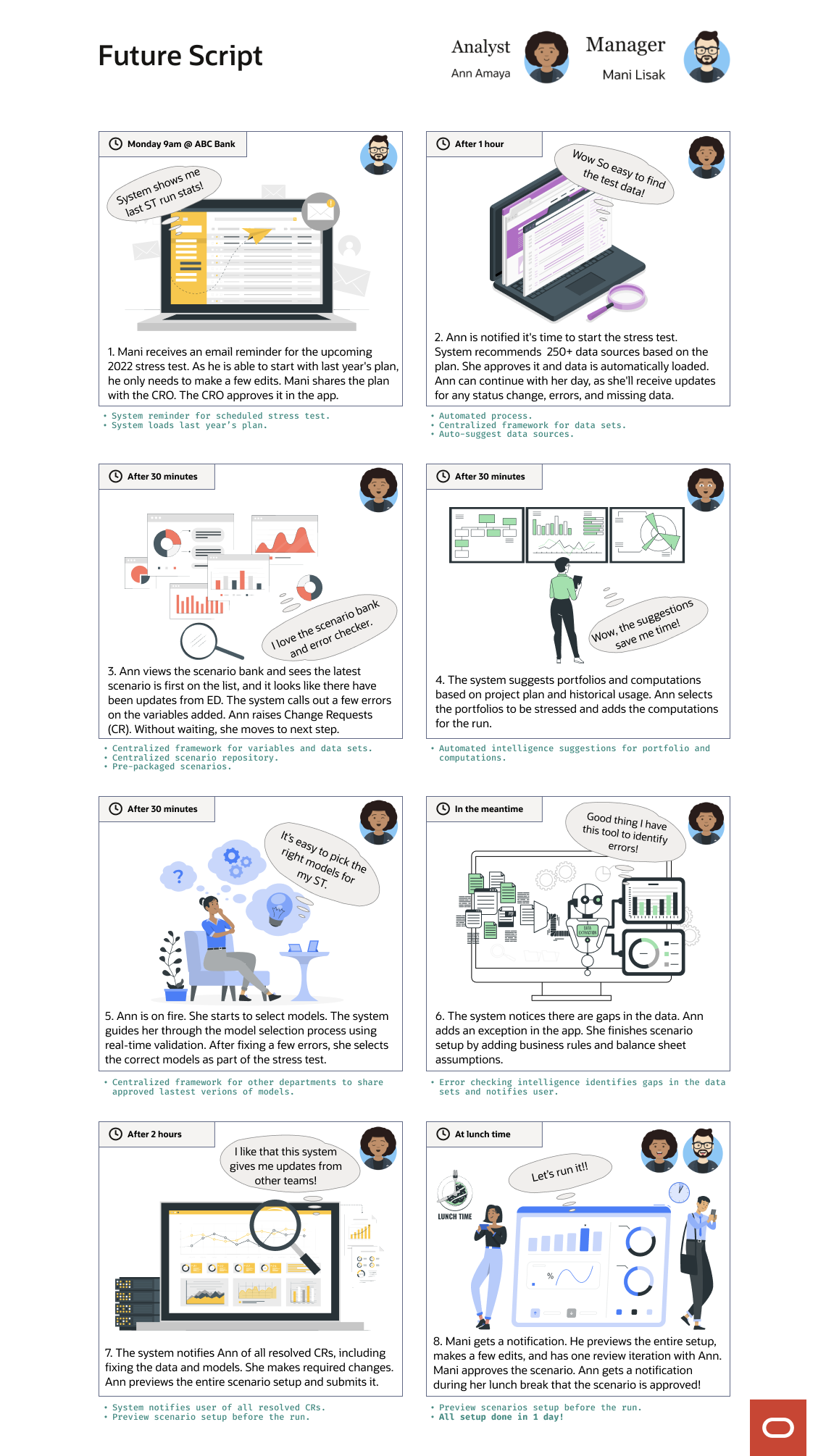
The Future Script used the same people, bank, and deadline, but changed the experience. Mani starts with last year’s plan. Ann gets recommended data sources. The system catches gaps before the test runs. By lunch, Mani has approved the scenario.
What took 33 days now takes 1.
Current state
Future state
Wireframes
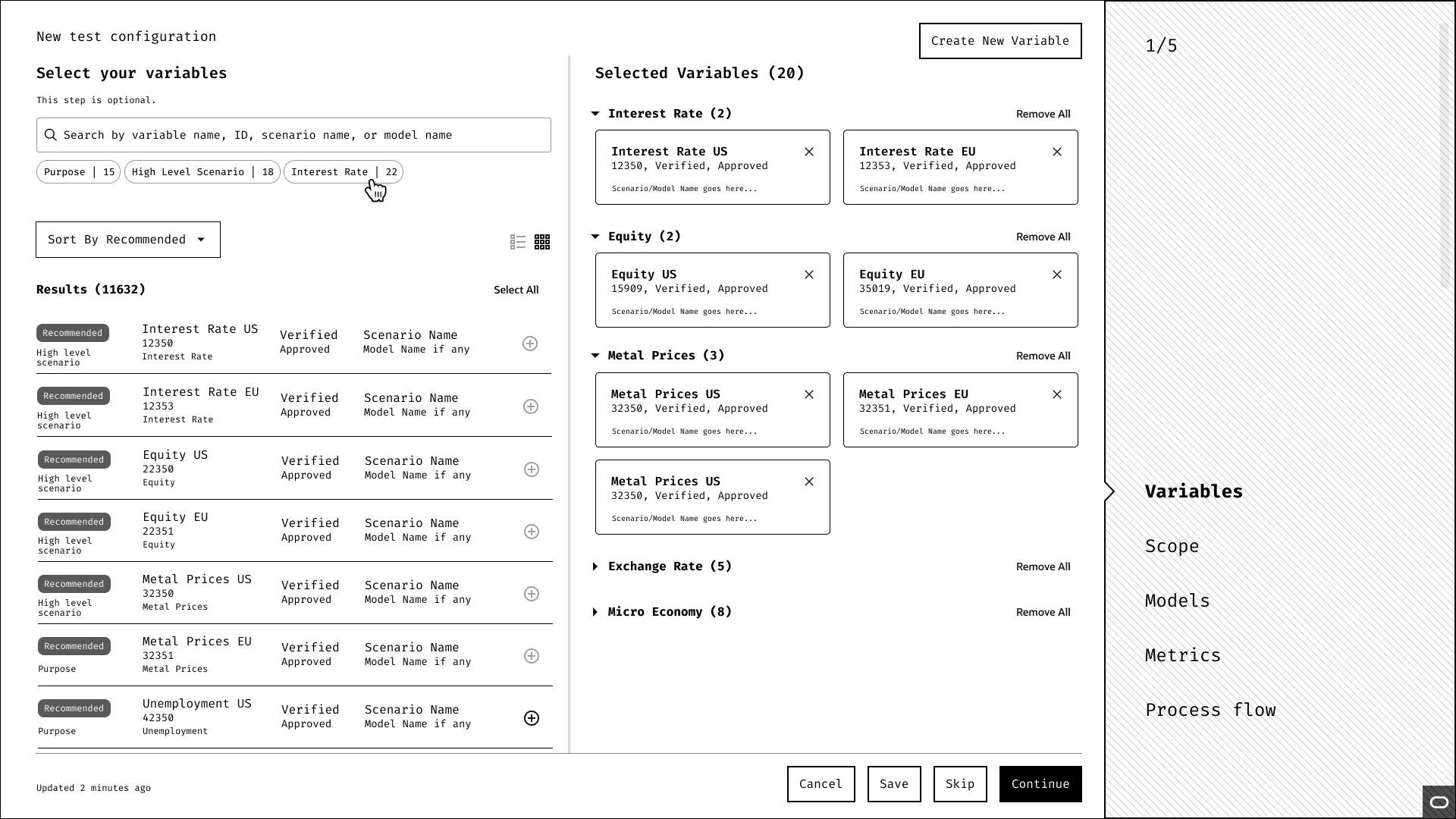
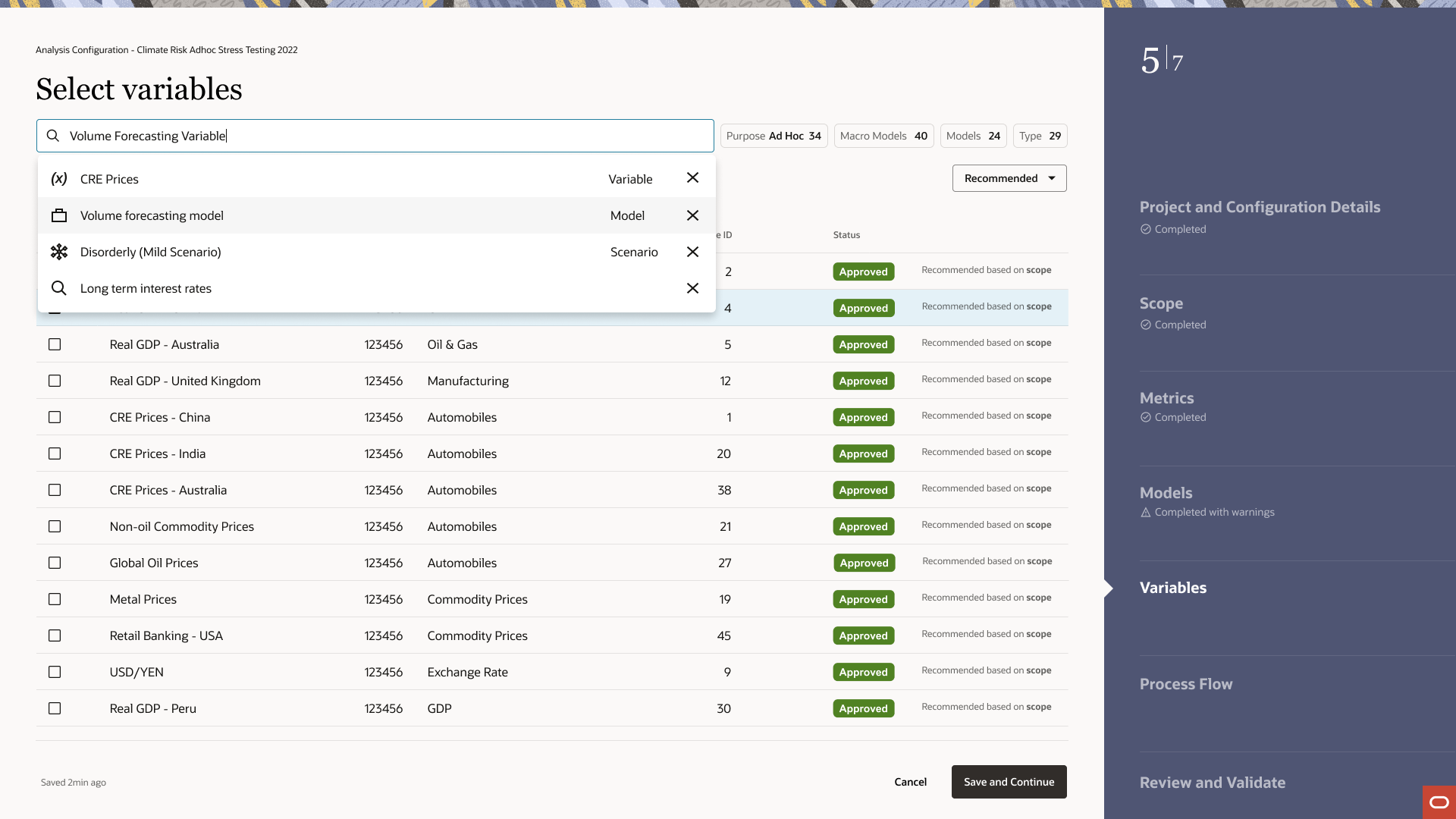
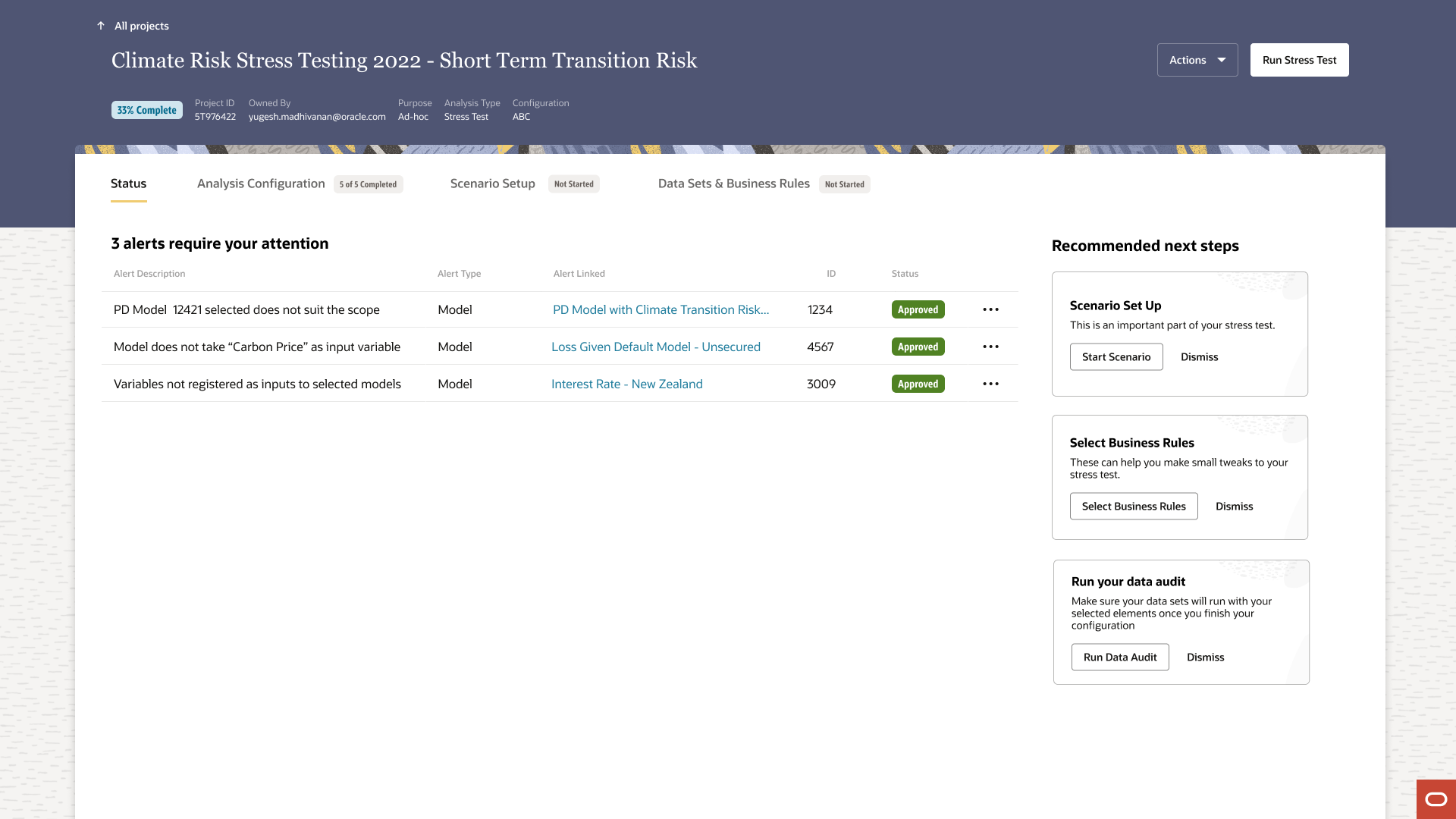
The entry point was a dashboard for active tests. The harder problem was variable selection. A typical test uses 25–50 variables from a pool that can reach hundreds. Ann needed decision support, not a database search.
The answer was a recommended-first list: verified and approved status at a glance, selected variables held persistently on the right, and grouping that made a long set scannable.
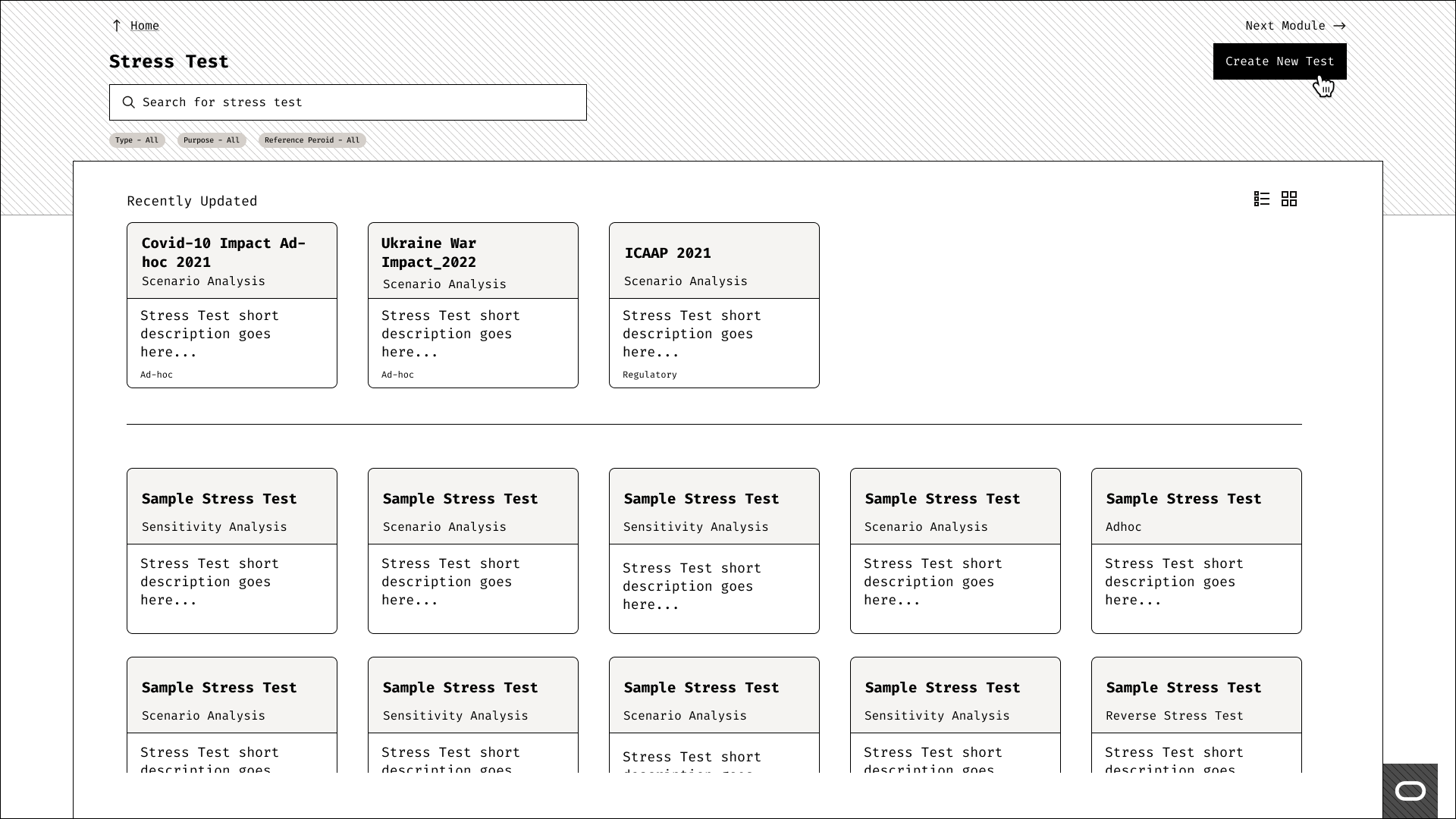
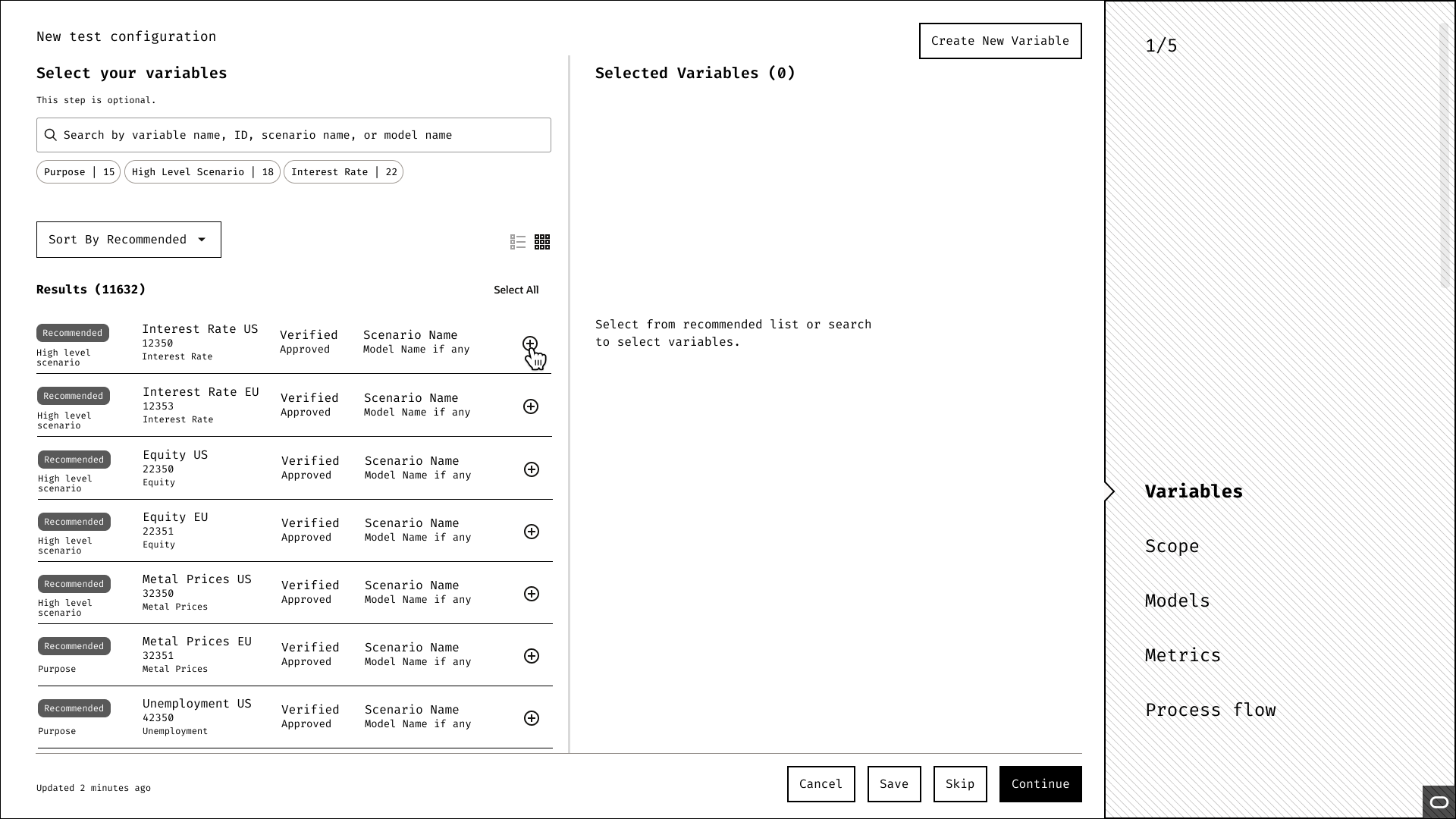
What Testing Changed
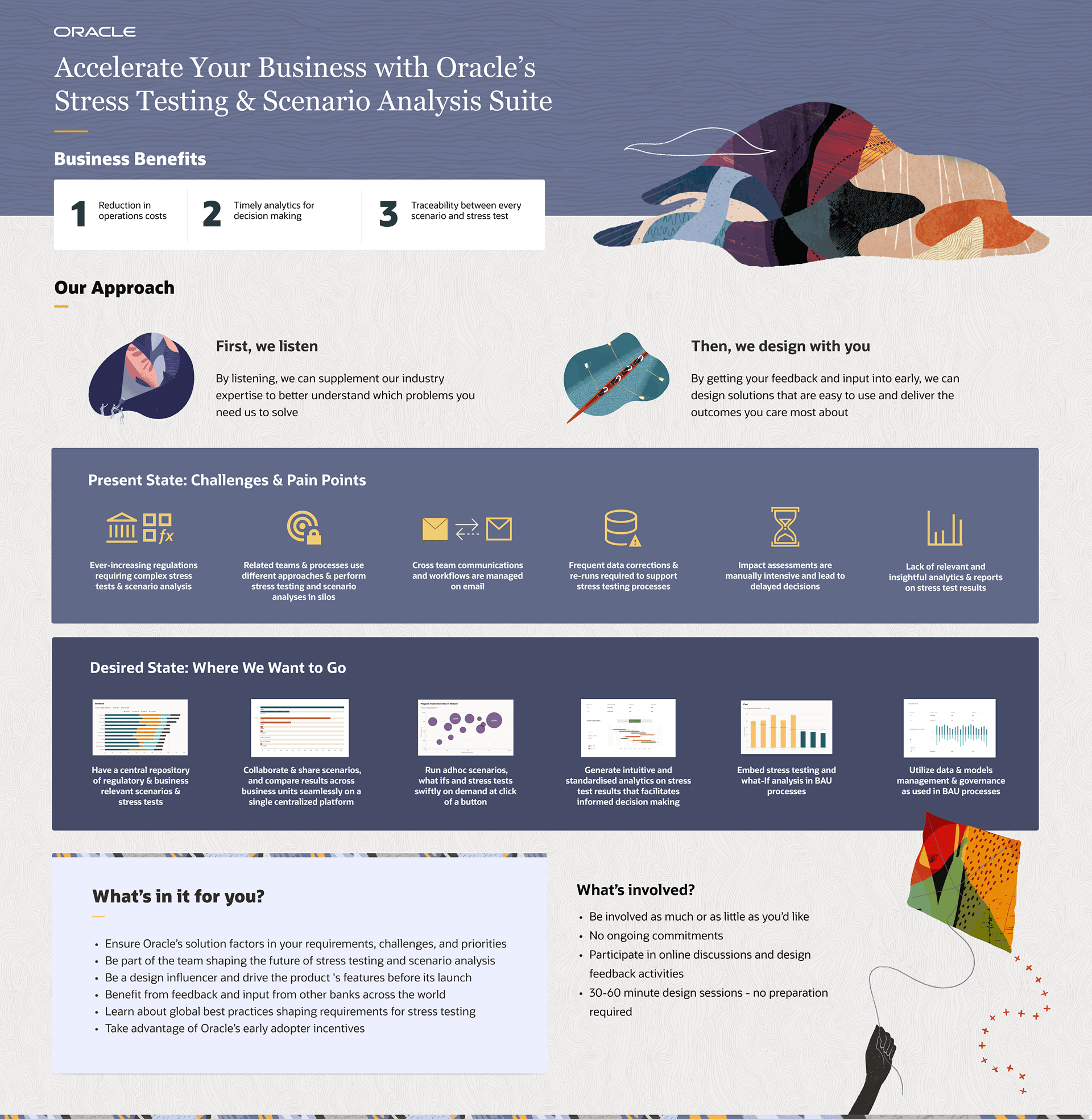
I could not test my own design objectively, but I still helped make the research possible. I created this teaser to explain the product, the current pain, and the participant commitment clearly enough to recruit the right users.
Marcus’s research team then tested the prototypes with approximately 20 users across 15 moderated sessions. I was not in the room. That distance gave the team a clearer read on what needed to change.
A section is better than multiple screens
Reduce screen count and keep each task sharply focused.
Warnings should inform, not trap
Let users override or move forward while preserving a clear record of unresolved risk.
Selections must remain visible
Move chosen items to the top or hold them in a persistent selected panel.
The Handoff
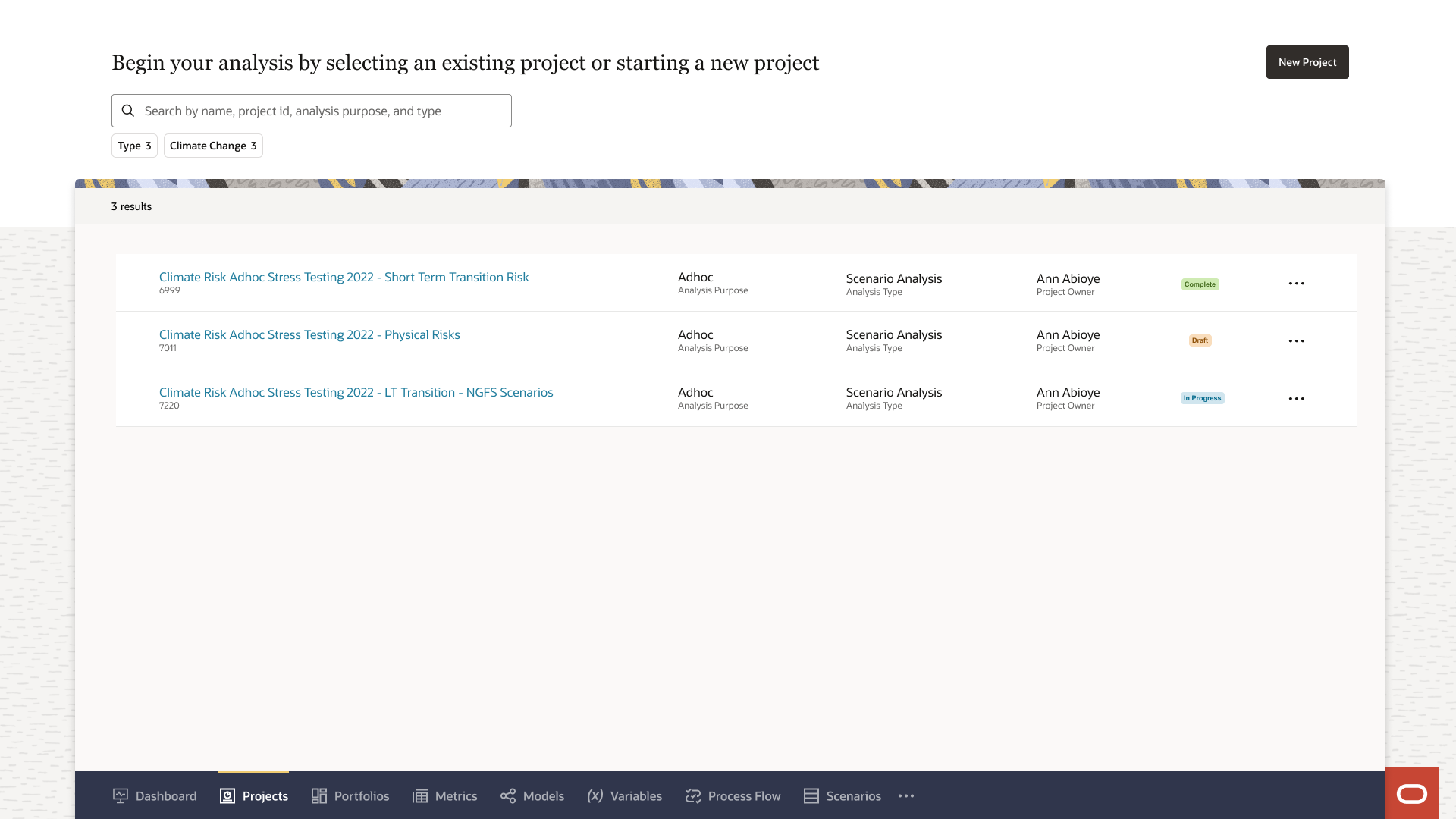
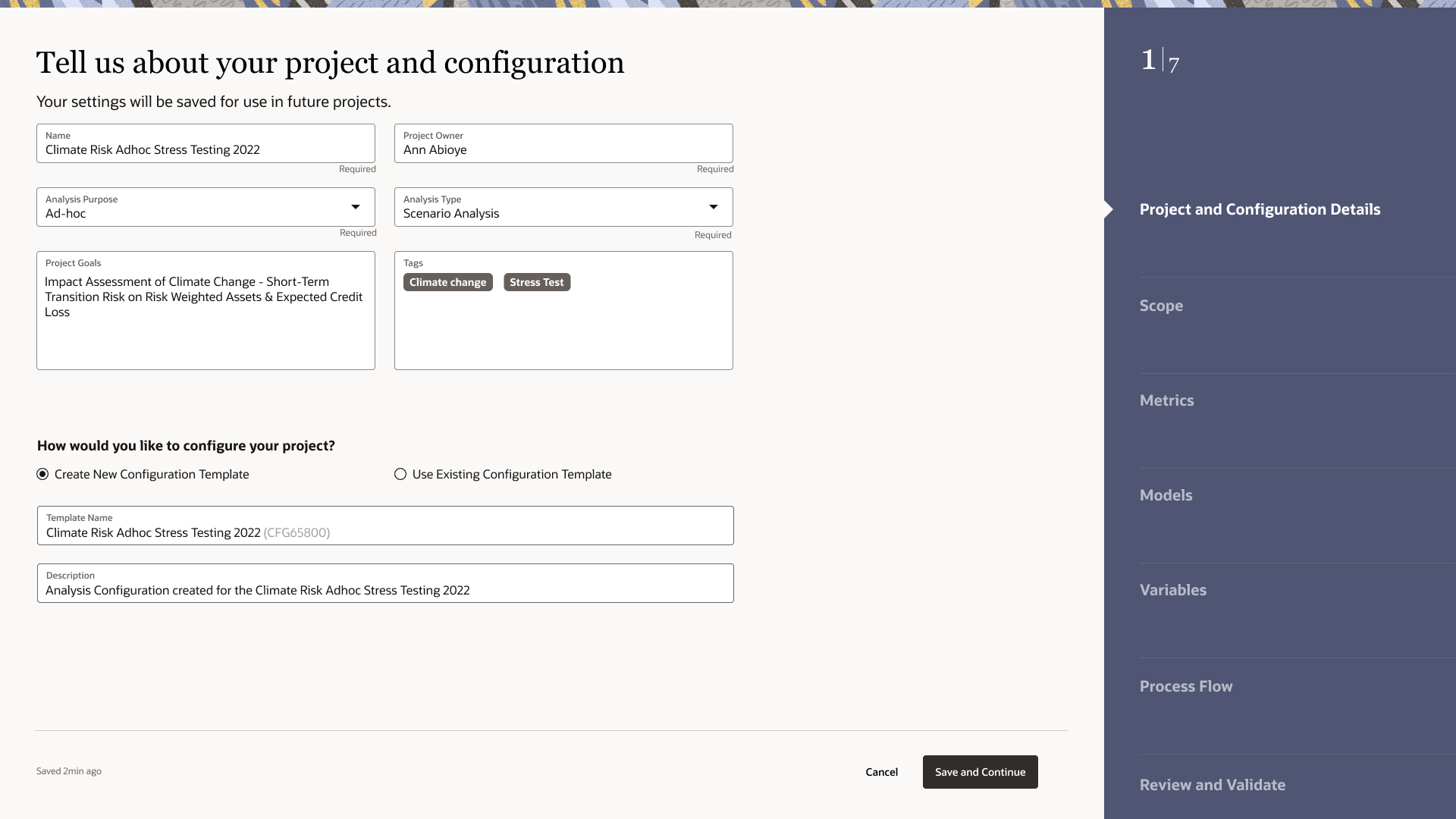
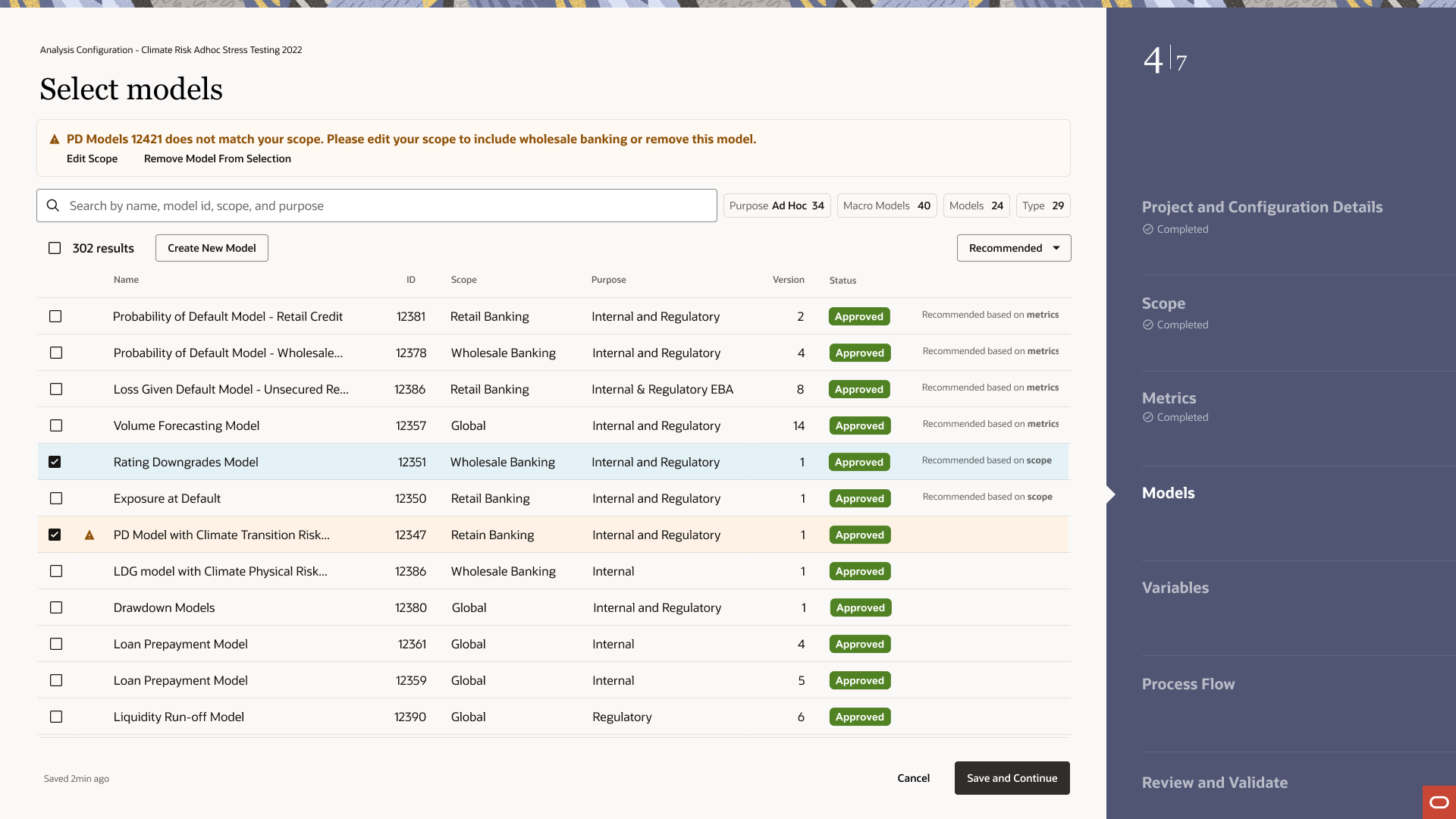
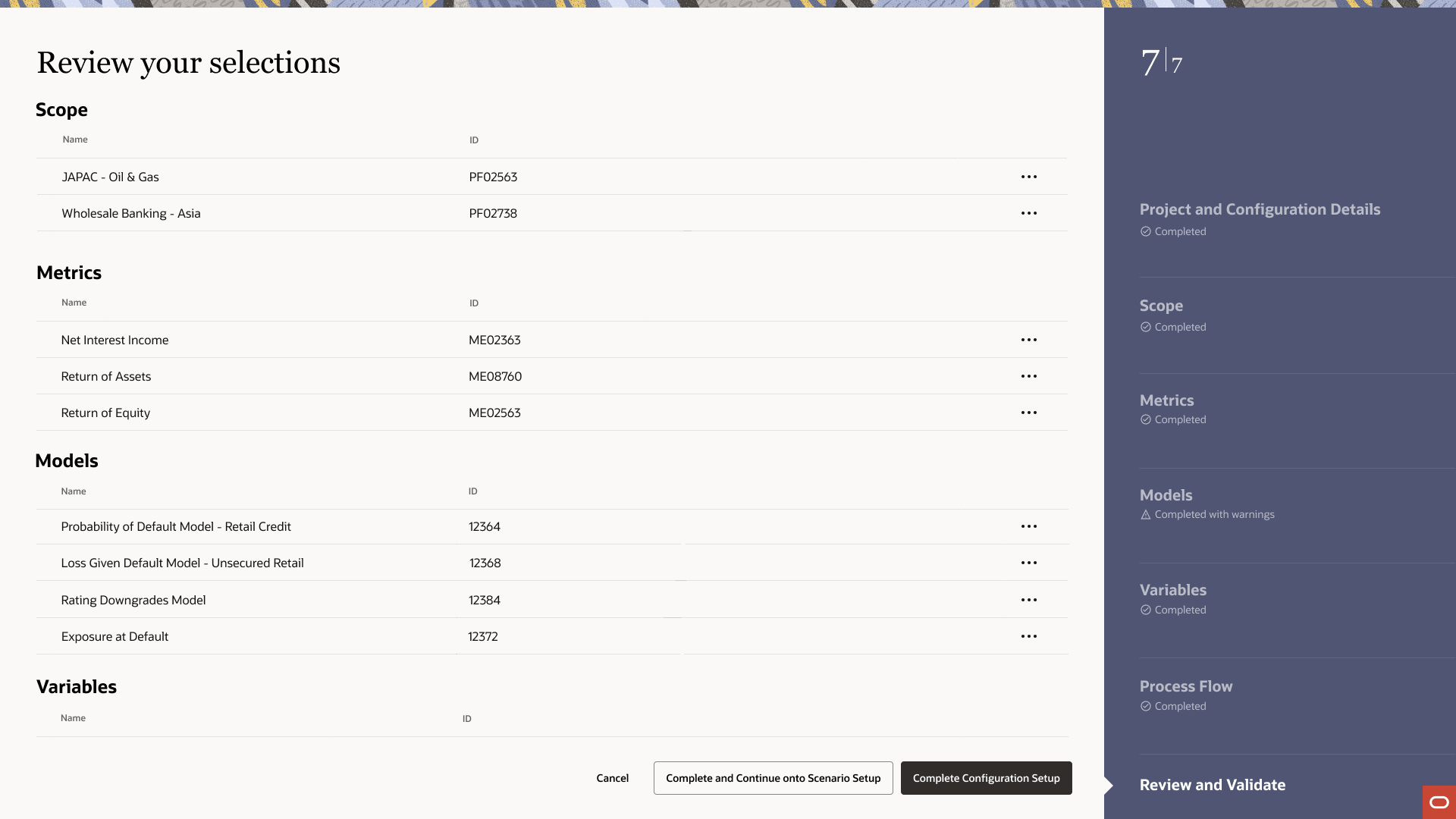
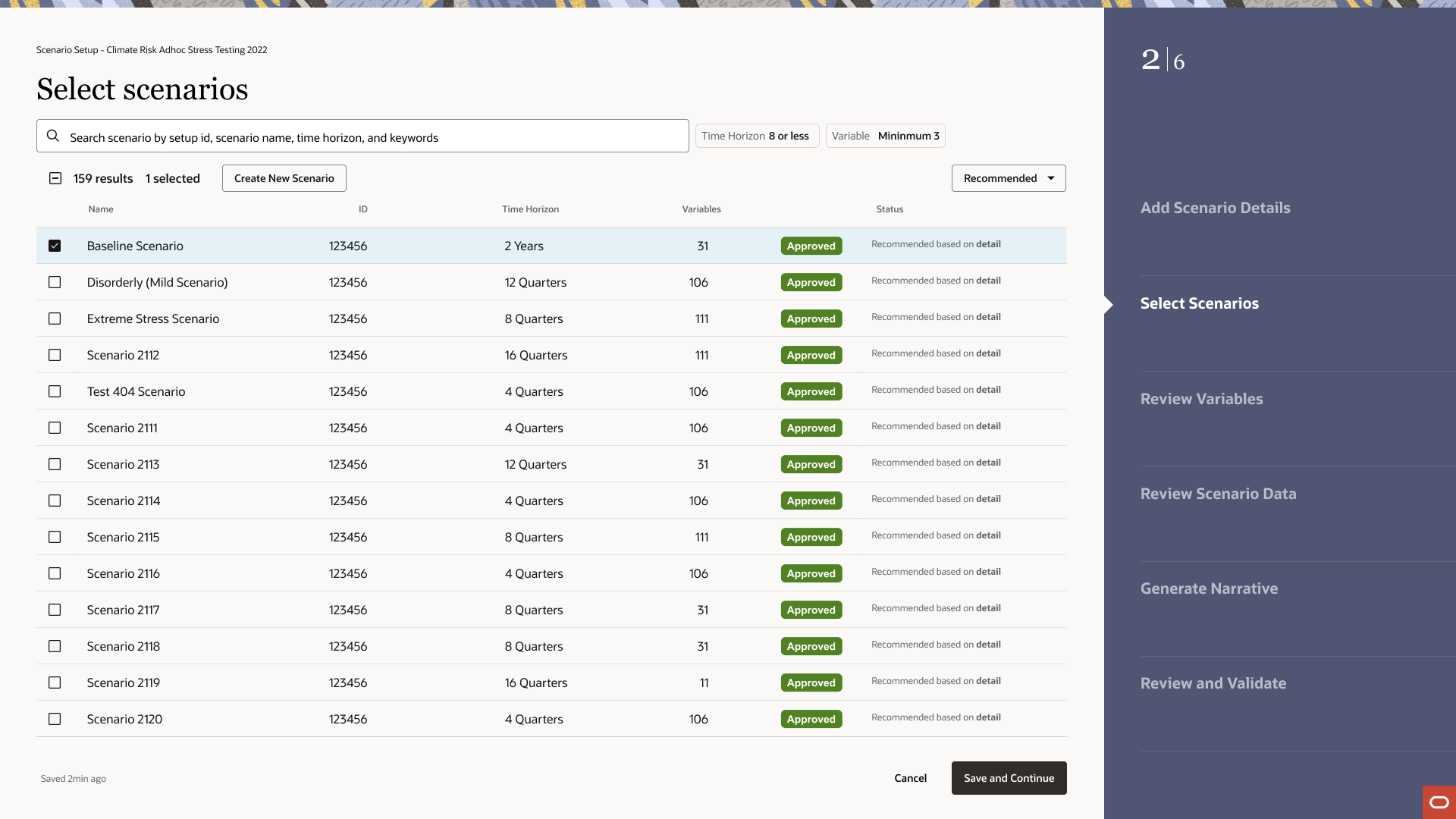
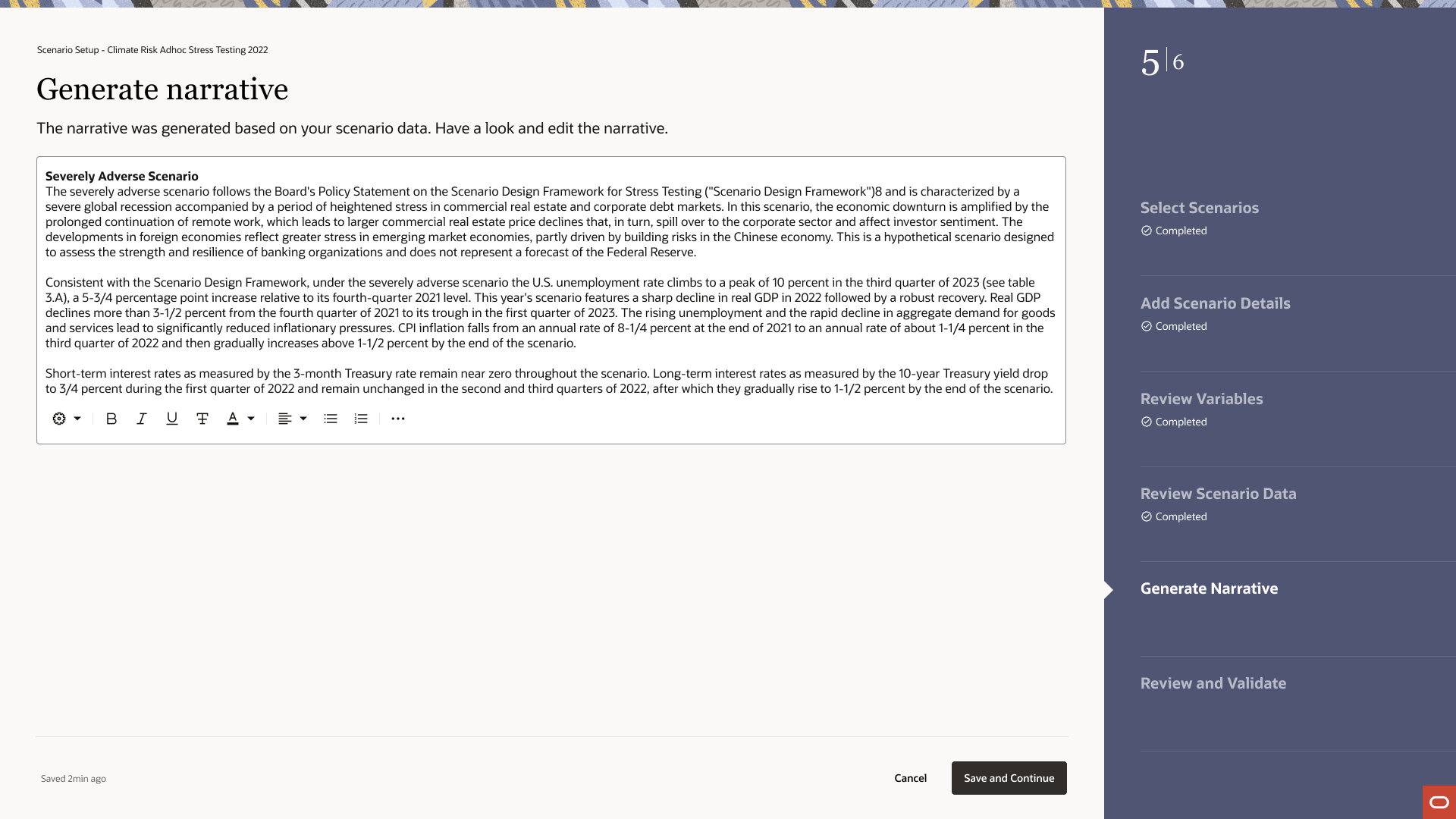
The hi-fi handoff represented the complete first stream: 2 guided processes, a project dashboard connecting them, and interaction patterns designed to scale into the streams that followed.
Analysis Configuration walks Ann through project details, portfolio scope, metrics, models, variables, process flow, and review. Recommended-first lists surface the right options; conflicts appear as specific, actionable alerts. The project dashboard then connects that completed work to Scenario Setup.
Reflection
Define before solving
No one on the UX team had turned an undefined 6-stream enterprise product into a buildable roadmap before wireframing. That judgment made everything else possible.
Fluency is respect
Rapidly learning a regulated domain is how a designer earns the right to ask useful questions of people carrying real financial and regulatory stakes.
Build work that holds
I had left the engagement more than 1 year before the MVP shipped. The foundation remained strong enough for other designers and teams to carry it across the finish line.